
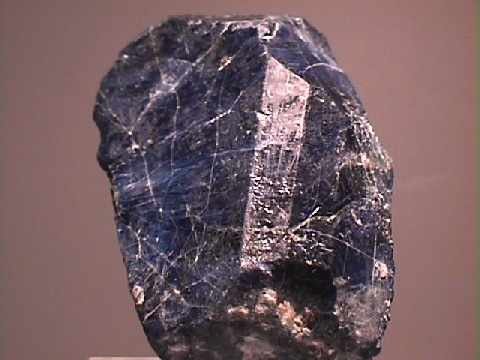
Aluminium is a silvery-white metal, the 13 element in the periodic table. … These are minerals that combine two sulphuric acids: one based on an alkaline metal (lithium, sodium, potassium rubidium or caesium) and one based on a metal from the third group of the periodic table, primarily aluminium.
in the same way Where is bauxite refined? Typical deposits range in thickness from 3 to 15 m. The majority of the bauxite can be mined and processed without beneficiation (further treatment of the ore to concentrate the minerals), but the ore in the north of Brazil and in Vietnam has a high clay content and has to be washed before processing.
Is aluminum a rock or mineral? Aluminum is used in the United States in packaging, transportation, and building. Because it is a mixture of minerals, bauxite itself is a rock, not a mineral. Bauxite is reddish-brown, white, tan, and tan-yellow.
What type of rock is aluminium? Bauxite is a sedimentary rock with a relatively high aluminium content. It is the world’s main source of aluminium and gallium.
Which mineral is used in aluminium industry?
Bauxite is the most common aluminium ore.
Beside this Why is bauxite purified?
The bauxite is purified to produce aluminium oxide, a white powder from which aluminium can be extracted. … Aluminium oxide has a very high melting point (over 2000°C) so it would be expensive to melt it. Aluminium oxide does not dissolve in water, but it does dissolve in molten cryolite.
What is bauxite and alumina? Bauxite refineries produce alumina (aluminum oxide), which is used to create aluminum metal. Bauxite is also used to manufacture other industrial products, such as abrasives, cement and chemicals. There are two operating bauxite refineries in the United States, both of which are located in Louisiana.
What is the difference between alumina and bauxite? Bauxite is a more general term for a piece of rock made of oxides of hydrated aluminum. It is the primary ore of alumina, which is used to make the actual aluminum. This ore is also utilized in making aluminous refractories and synthetic corundum. … Aluminum is a very reactive type of metal.
What is the mineral ore of aluminium?
Bauxite is the most common aluminum ore. Approximately 98% of primary aluminum production is based on bauxite.
Is aluminum a renewable resource? Metals, such as copper, tin, lead, aluminum, gold and silver, are elements. They are nonrenewable. Steel is are made from iron, which is also nonrenewable. Aluminum, iron and titanium are among the three most abundant elements in the Earth’s crust.
Which is not a mineral of aluminium?
Hence the answer is anhydrite as it is not a mineral of aluminium.
Is aluminium a sedimentary rock? Bauxite is an aluminum-rich sedimentary rock. It is the principal ore of aluminum. … The major impurities are iron oxides and hydroxides (which give reddish color to most bauxites) and clay minerals. Bauxite is a weathering product of aluminum-bearing rocks (usually igneous rocks).
What are the 3 ores of aluminium?
Bauxite is a form of sedimentary rock and is the principal source of the popular metal aluminium. In the earth crust, aluminium is the most abundant metal. The chemical formula of bauxite is Al2O3.
Is cryolite an ore of aluminium?
Cryolite ores are the chief ore of aluminium. These cryolite ores are associated with the earthy material, these earthy materials are known as gangue.
What is the ore of aluminium called? Main ore of aluminium is Bauxite.
Will bauxite run out? While 28 billion tonnes may sound a lot, at 260 million tonnes a year, the world will run out of commercially viable bauxite reserves in about 100 years.
How long will bauxite last?
The present-day RLI indicates adequate bauxite supply for about 180 years and is the same as it was in 1950. However, if an annual growth rate of 5% is considered, the currently known reserves will be exhausted within the next 20 years and the reserve base will be adequate for not more than 25 years.
How bauxite is concentrated? Hence, Bauxite ore is concentrated by Leaching. Gold, silver are also extracted from their native ores by Leaching.
Is bauxite a mineral?
Bauxite is a naturally occurring, heterogeneous material composed primarily of one or more aluminum hydroxide minerals, plus various mixtures of silica, iron oxide, titania, aluminosilicate, and other impurities in minor or trace amounts.
What type of rock is bauxite? Bauxite is a sedimentary rock with a relatively high aluminium content. It is the world’s main source of aluminium and gallium.
What is alumina used for?
Alumina (Aluminium Oxide) is the most widely used oxide ceramic material. Its applications are widespread, and include spark plugs, tap washers, abrasion resistant tiles, and cutting tools. Very large tonnages are also used in the manufacture of monolithic and brick refractories.
Which is the largest producer of bauxite? Bauxite production. In 2020, Australia produced the largest amount of bauxite worldwide. In that year, the country produced 110 million metric tons of bauxite. Following Australia was Guinea, which produced 82 million metric tons of the rock.
Is alumina a ceramic?
Alumina is the most well-known fine ceramic material for chemical and physical stability. Thermal properties: High heat resistance and high thermal conductivity. Mechanical properties: High strength and high hardness.
What is the difference between alumina and aluminium? Aluminium is a chemical element having the atomic number 13, and chemical symbol Al. Alumina is a chemical compound having the chemical formula Al2O3. Therefore, the key difference between aluminium and alumina is that the aluminum is a chemical element, and alumina is an aluminium containing compound.
Do’t forget to share this post !